Drivers over 70 face renewed scrutiny as safety discussions question vision, reflexes, and age-based testing, igniting debate over fairness, independence, and how best to protect both older motorists and the public while balancing autonomy and road safety.
For millions of older adults, driving isn’t just a convenience — it’s freedom. It’s the ability to visit loved ones, run errands, attend appointments, and stay connected to the world on their own terms. That’s why a growing global debate over whether drivers over 70 should face additional testing is stirring strong emotions, heated headlines, and deeply personal fears.
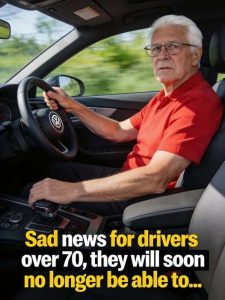
At the heart of the discussion is a difficult question: how do societies protect road safety without taking away independence from those who have spent a lifetime behind the wheel?
Safety vs. Independence
Supporters of tighter rules point to well-documented realities of aging. Slower reaction times, reduced vision or hearing, medication side effects, and cognitive changes can all affect driving ability. These are not moral failings — they’re biological facts. Critics, however, argue that age alone should never determine competence, warning that blanket rules risk punishing capable seniors simply for growing older.
The debate often reignites after tragic incidents. In La Rochelle, an 83-year-old driver who became disoriented struck a group of children riding bicycles. Authorities did not accuse her of recklessness, but the crash raised urgent questions about perception, reflexes, and decision-making as drivers age.
Statistics add fuel to the conversation. Drivers over 75 are involved in accidents at rates similar to drivers aged 18–24 — but for very different reasons. Young drivers often crash due to inexperience or distraction, while older drivers may struggle with physical or cognitive limitations. Despite this nuance, public fear tends to oversimplify the issue, casting seniors as inherently dangerous — a perception experts say is misleading.
An Aging Driving Population
Demographics are impossible to ignore. By 2030, more than 20% of drivers in many Western countries will be over 65. Many will be healthy, alert, and capable. Others may face challenges that make driving riskier — not just for themselves, but for everyone on the road.
Governments insist they are not targeting seniors unfairly. In fact, no country is proposing a blanket ban on drivers over 70 or 75. Instead, proposals focus on precautionary steps: more frequent license renewals, medical evaluations, vision and hearing tests, and, in some cases, cognitive assessments.
Japan, parts of Canada, and several European nations already require such checks. In the United States, many states now mandate in-person renewals or medical certifications for older drivers. While officials frame these measures as safety-focused, many seniors experience them as intrusive — even humiliating.
The Hidden Cost of Losing the Keys
Few things hit harder than losing the ability to drive. For older adults, license revocation can trigger isolation, missed medical care, dependence on family, and even depression or faster cognitive decline. Driving represents control — over time, routine, and dignity.
That’s why experts urge a more compassionate approach. Rather than sudden restrictions, they recommend graduated solutions: conditional licenses, professional driving assessments, restricted driving hours, and improved access to public or assisted transportation.
The goal, they argue, is not to punish aging — but to adapt to it.
A Conversation That Affects Us All
This debate isn’t about fearmongering or blame. It’s about reality. Aging changes mobility, and societies must evolve with it. Safety and independence don’t have to be enemies — but balancing them requires empathy, planning, and honest conversation.
The road ahead belongs to everyone. With thoughtful policies and humane solutions, older adults can remain mobile and connected — while communities benefit from safer streets. This is not just a policy discussion. It’s a reflection of how we value dignity, responsibility, and life at every age.