”Too Perfect to Be Real?” Charlie Puth’s Super Bowl Anthem Sparks Lip-Sync Accusations, Divides Fans, and Ignites a Firestorm During a Night of Musical Chaos
The Super Bowl always promises spectacle, but no one expected the national anthem to become one of the night’s most controversial moments.
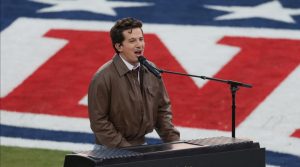
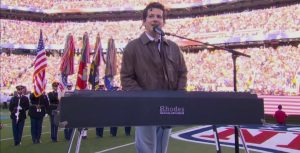
When Charlie Puth stepped onto the field to perform “The Star-Spangled Banner” at Super Bowl LX, the stadium fell silent. No dancers. No fireworks. No distractions. Just one singer, one microphone, and millions of viewers watching closely. Very closely.
From the first note, something felt different.
Puth’s vocals were flawless — almost unnervingly so. Every note landed perfectly. No wavering pitch. No shaky breaths. No cracks. It was smooth, controlled, and studio-clean from start to finish.
And that’s exactly why the internet exploded.
Within minutes, social media was flooded with questions that refused to go away:
Was it live?
Was there a backing track?
Was Charlie Puth lip-syncing the national anthem at the Super Bowl?
What should have been a brief ceremonial moment quickly turned into a full-blown online investigation. Viewers replayed clips, zoomed in on mouth movements, slowed down footage, and compared audio like amateur sound engineers. Some praised the performance as professional and respectful. Others insisted it was “too perfect” to be real.
The timing couldn’t have been worse — or more explosive.
Super Bowl LX was already steeped in controversy. Bad Bunny’s halftime show had ignited political debate. Green Day’s appearance left fans divided. Donald Trump criticized the entertainment lineup and skipped the event entirely. By the time Puth took the field, audiences weren’t relaxed — they were suspicious.
So when his voice sounded pristine, many didn’t hear talent. They heard technology.
Supporters rushed to defend him, pointing out his near-legendary musical precision and perfect pitch. Critics fired back, arguing that the national anthem should always be raw, imperfect, and undeniably live. The debate quickly stopped being about Charlie Puth and turned into something bigger: authenticity in the age of hyper-production.
No proof ever surfaced. No confirmation. No denial.
Just noise.
And that may be the most revealing part.
In today’s world, artists are judged from both sides at once. If they stumble, they’re mocked forever. If they don’t, they’re accused of faking it. Perfection has become suspicious. Flaws have become proof of honesty.
By the end of the night, the game moved on. The headlines shifted. But the question lingered.
Was Charlie Puth’s anthem performance a technical illusion — or just the result of relentless practice and impossible standards?
One thing is certain: at the modern Super Bowl, even singing too well can land you in trouble.
And sometimes, the loudest controversy comes from doing everything exactly right.