The Truth Behind Social Exhaustion
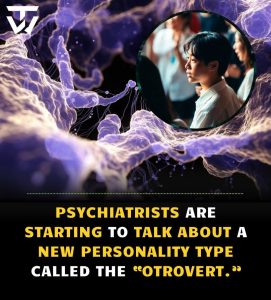
Not all social behavior reflects how someone actually recharges. Psychology research shows that some individuals can engage, communicate, and perform well socially, yet still require significant alone time to recover. This pattern aligns with traits studied in introversion and social energy regulation. The key difference is not ability, but recovery. Social interaction uses cognitive and emotional resources, and for some people, extended engagement leads to faster mental fatigue. Time alone helps restore focus, reduce overstimulation, and rebalance the nervous system. Studies show that people who understand and respect their own energy patterns tend to have better mental health, lower stress, and more sustainable relationships. It is not about being antisocial. It is about how your brain restores itself after stimulation. (Cain 2012; American Psychological Association; Journal of Personality and Social Psychology)